Products Liability
Strict Liability Recap
Limits on Strict Liability
Fletcher v. Rylands
— PWFOPBOHL&C&KTALDMIIE
Rylands v. Fletcher
— PWFOPBOHL&C&KTA “non-natural” and LDMIIE
First Restatement
— “ultrahazardous activity”
Second Restatement
— “abnormally dangerous activity”
Indiana Harbor Belt v. American Cyanamid
Strict liability applies for behavior that is:
- Very risky and that risk cannot be eliminated at reasonable cost
AND
- Not susceptible to due care analysis
Tort law is the law of
negligence.
Strict liability is the law of tort law when negligence fails.
MacPherson v. Buick Motor Co.
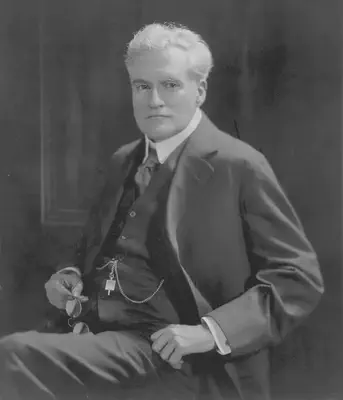
MacPherson v. Buick Motor Co.
Escola v. Coca Cola
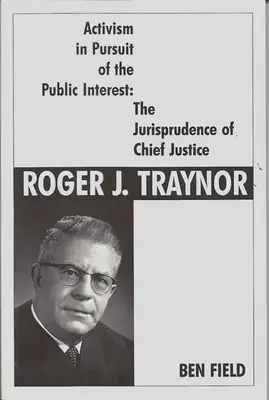
Escola v. Coca Cola
Tort Law Values
| Era | Philosophy | Primary Goal | Concern |
|---|---|---|---|
| Classical | Corrective justice | Individual accountability | Autonomy |
| New Deal | Political Economy | Distributive justice | Power |
| Neoliberal | Economics | Maximize utility | Efficiency |
—
Rationale
Power dynamics
Cost spreading / insurance
Deterrence
Extensions of Liability
Plaintiffs: Not just consumers but bystanders.
Defendants: Not just manufacturers but retailers.
Defect Requirement
—
Products Liability
— Manufacturing defects
— Design defects
— Instructions and warnings
Manufacturing Defects
Design Defects
Barker v. Lull Engineering
Two tests:
- Consumer expectations
- Excessive preventable danger
—
Soule v. General Motors
—
When does the consumer expectations test apply?
Not at
all clear!
It depends upon the “everyday experience of the product’s users”
1) Consumer expectations
2) Excessive preventable danger
[fit]“Reasonable Alternative Design”

Warnings
Products Liability Claims
- ?????????????????
- ?????????????????
- ?????????????????
Products Liability Claims
- Manufacturing Defects
- Design Defects
- Failure to Warn
Elements of a Claim
Negligence
Duty
Breach
Causation
Harm
[.column] Strict Liability
Defendant was engaged in the kind of activity where strict liability applies
Causation
Harm
[.column] Products Liability
Defect
Causation
Harm
Speller v. Sears, Roebuck & Co.
“Refrigerator Fire”
Warnings
What are our concerns with the effectiveness of warnings and warning labels?
- Clarity of labels
- Too much text
- Level of detail related to the possible harm
- Language and legalese / What languages?
- Location of label
- Overwarning
- Color and font, visibility
—
Hood v. Ryobi American Corp.
Couple nuances
“Heeding Presumption”
Warnings can’t overcome design defects
—
How can you defend against a strict liability or products liability claim?
—
Plaintiff’s failure to discover a defect
Restatement (Second) of Torts
Contributory negligence of the plaintiff is not a defense when such negligence consists merely in a failure to discover the defect in the product, or to guard against the possibility of its existence.
Restatement Third
[W]hen the defendant claims that the plaintiff failed to discover a defect, there must be evidence that the plaintiff’s conduct in failing to discover a defect did, in fact, fail to meet a standard of reasonable care. In general, a plaintiff has no reason to expect that a new product contains a defect and would have little reason to be on guard to discover it.
—