Products Liability
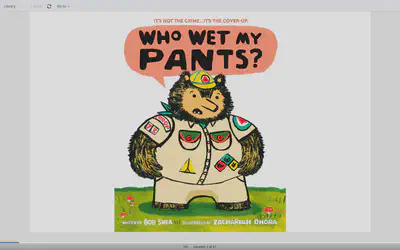
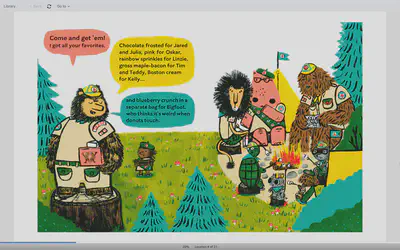
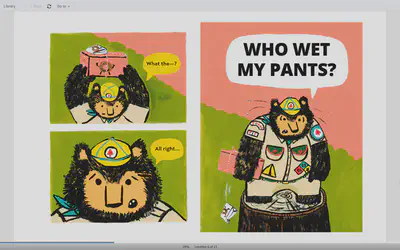
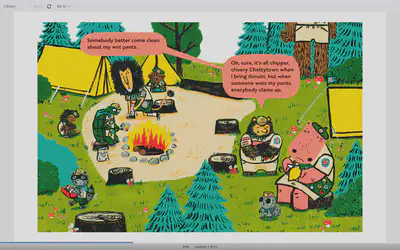
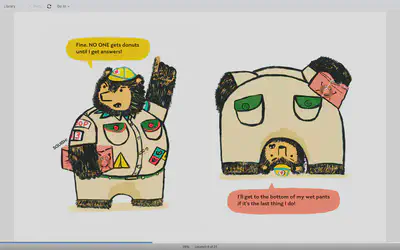
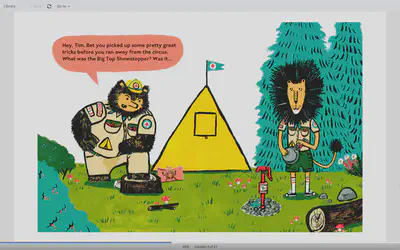
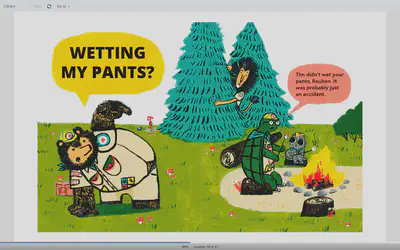
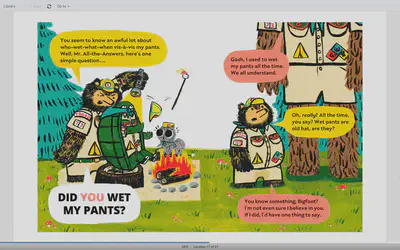
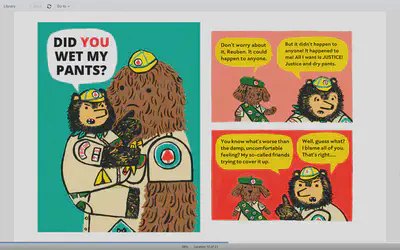
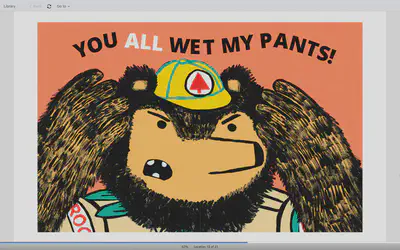
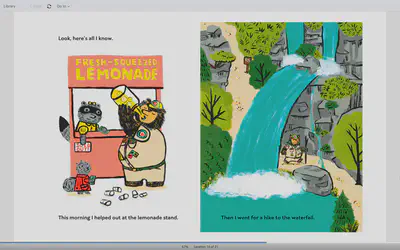
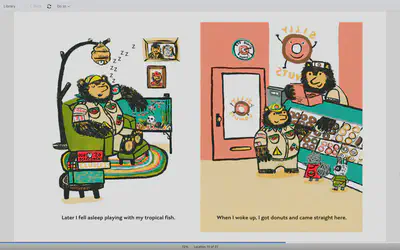
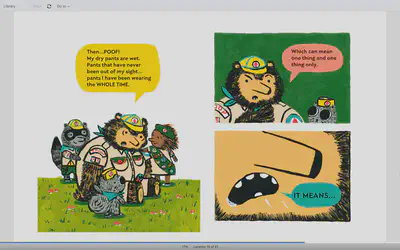
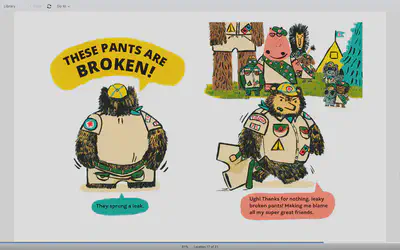
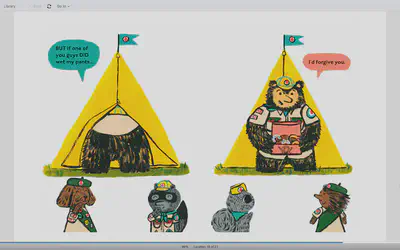
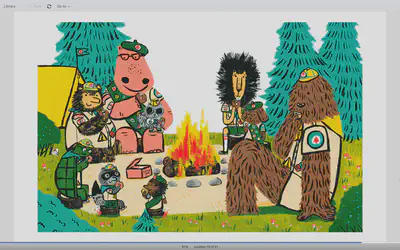
What products liability claims might Reuben the bear try to assert against the manufacturer of his pants?
We all know that Reuben should lose his case,
but on what legal grounds?
Warnings and Instructions
Hood v. Ryobi American Corp.
“Removing Bladeguards from an Electric Saw, What Could Go Wrong?”
Couple nuances
“Heeding Presumption”
Warnings can’t overcome design defects
—
Jones v. Ryobi, Ltd.
“The Modified Printing Press”
Anderson v. Nissei ASB Machine Co.
“The Bottle-Making Machine that Amputated an Arm”
General Rule: Manufacturer can only be held liable for defects that existed when the product was sold.
Missouri: When a third party’s modification makes a safe product unsafe, the manufacturer is relieved of liability even if the modification is foreseeable.
Arizona (and CA): Only an unforeseeable modification of a product bars recovery from the manufacturer.
How can you defend against a strict liability or products liability claim?
—
Strict Liability Defenses
NOT Contributory Negligence
Comparative Negligence
Assumption of Risk
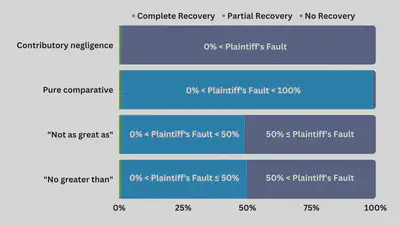
Jurisdictional Rules - Plaintiff’s Negligence
Jurisdictional Rules - Contribution
Joint and several liability
or
Several liability
Jurisdictional Rules - Apportionment
Evenly split
or
Comparative fault
Comparative Responsibility is Hard
Can a plaintiff be negligent for failing to discover a defect?
Restatement (Second) of Torts
Contributory negligence of the plaintiff is not a defense when such negligence consists merely in a failure to discover the defect in the product, or to guard against the possibility of its existence.
Restatement Third
[W]hen the defendant claims that the plaintiff failed to discover a defect, there must be evidence that the plaintiff’s conduct in failing to discover a defect did, in fact, fail to meet a standard of reasonable care. In general, a plaintiff has no reason to expect that a new product contains a defect and would have little reason to be on guard to discover it.
—
Assumption of Risk
—
Assumption of Risk
Express (Disclaimers and waivers)
Implied (Knowingly encounter a danger)
—
You are a junior associate at a plaintiff-side firm. The potential plaintiff, a nine-year-old boy named Augustus Gloop, choked on a hot dog during lunch in his elementary school cafeteria. The child survived but suffered serious injuries. His family is now interested in suing Oscar Meyer Weiner, the company that produced this hot dog. Oscar Meyer Weiner does not have any warning labels on its packaging.
A partner at your firm would like you to sketch out arguments supporting a failure to warn claim, a design defect claim, and a manufacturing defect claim. For each claim, provide an example of a piece of evidence that would help our client win. And let her know which claims have the best and worst chances of success.