Products Liability & Intentional Torts
One-on-one Midterm Review Meetings
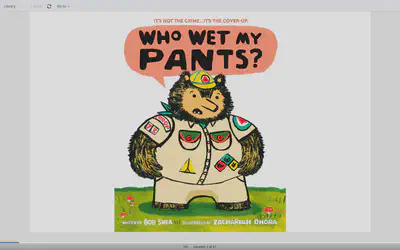
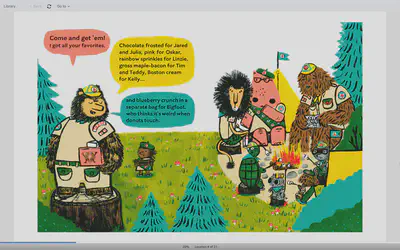
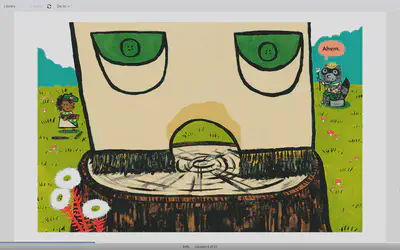
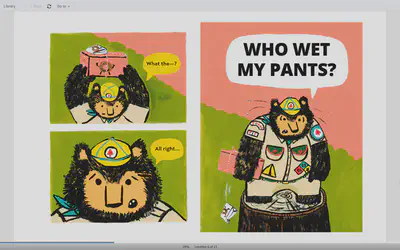
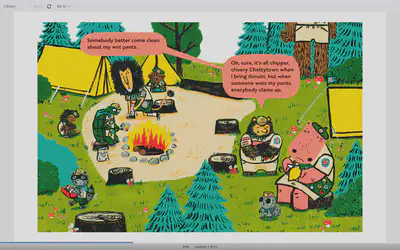
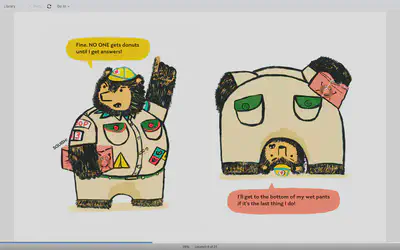
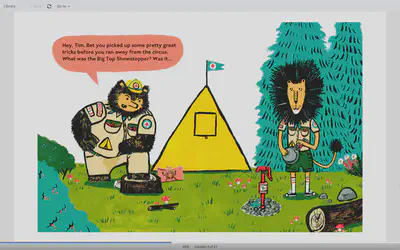
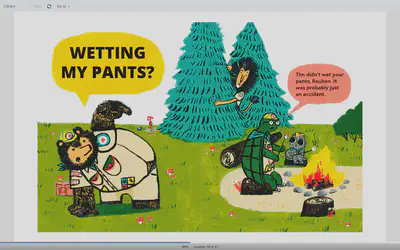
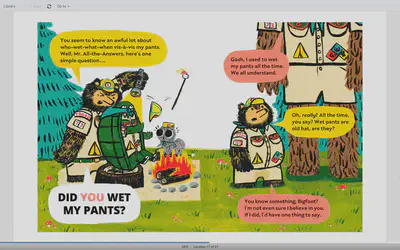
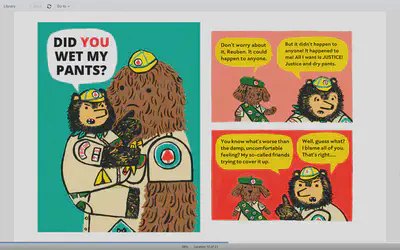
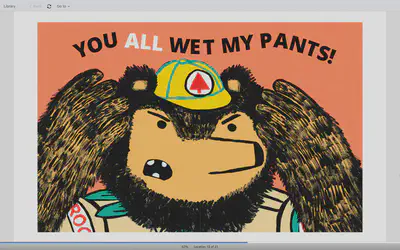
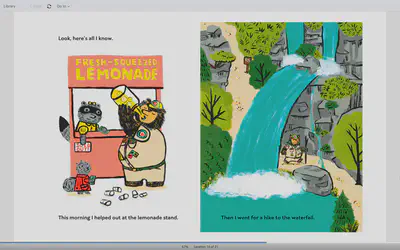
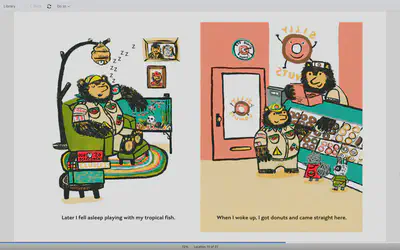
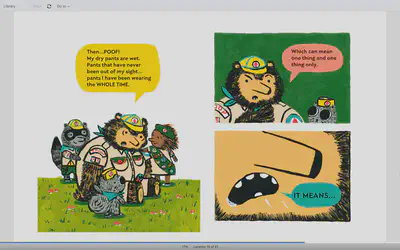
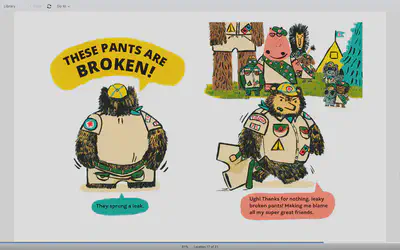
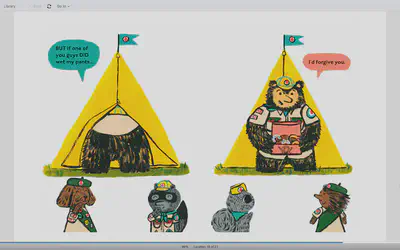
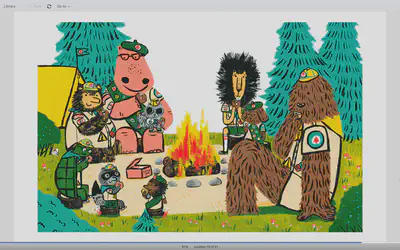
What products liability claims might Reuben the bear try to assert against the manufacturer of his pants?
- Manufacturing defect
- Design defect
- Failure to warn
We all know that Reuben should lose his case,
but on what legal grounds?
- Manufacturing defect
- Design defect
- Failure to warn
Warnings and Instructions
Hood v. Ryobi American Corp.
“Removing Bladeguards from an Electric Saw, What Could Go Wrong?”
Couple nuances
“Heeding Presumption”
Warnings can’t overcome design defects
How can you defend against a strict liability or products liability claim?
Argue that plaintiff has not made out a prima facie case
[.column]
Strict Liability
- Strict liability applies
- Causation
- Harm
[.column] Products Liability
- Defect
- Causation
- Harm
Speller v. Sears, Roebuck & Co.
“Refrigerator Fire”
Affirmative Defenses
Comparative Negligence Assumption of Risk
NOTE: Contributory negligence is NOT a defense to strict liability or products liability, only comparative negligence.
Jones v. Ryobi, Ltd.
“The Modified Printing Press”
Anderson v. Nissei ASB Machine Co.
“The Bottle-Making Machine that Amputated an Arm”
General Rule: Manufacturer can only be held liable for defects that existed when the product was sold.
Missouri: When a third party’s modification makes a safe product unsafe, the manufacturer is relieved of liability even if the modification is foreseeable.
Arizona (and CA): Only an unforeseeable modification of a product bars recovery from the manufacturer.
Intentional Torts
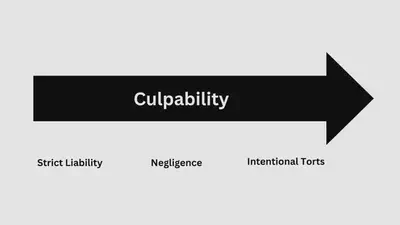
Structure for this Part of the Course
Intentional Torts: — Battery — Assault — False imprisonment — Intentional infliction of emotional distress
Defenses: — Consent — Self-defense — Defense of property — Necessity
Garratt v. Dailey
“The Five-Year-Old Who Pulled the Chair Out from Under Her”
Abridged Definition from Restatement (Third) of Torts A person acts with the intent to produce a consequence if: (a) the person acts with the purpose of producing that consequence; or (b) the person acts knowing that the consequence is substantially certain to result.

—
Alcorn v. Mitchell
“The Angry Spitter”
—
Picard v. Barry Pontiac-Buick, Inc.
“The Camera Toucher”
Battery
Abridged Definition from Restatement (Second) of Torts
An actor is subject to liability to another for battery if he acts intending to cause a harmful or offensive contact with the person of the other or a third person, or an imminent apprehension of such a contact, and a harmful or offensive contact with the person of the other directly or indirectly results.

Assault
Abridged Definition from Restatement (Second) of Torts An actor is subject to liability to another for assault if (a) he acts intending to cause a harmful or offensive contact with the person of the other or a third person, or an imminent apprehension of such a contact, and (b) the other is thereby put in such imminent apprehension.

Wishnatsky v. Huey
“The Offended Interrupter”
With intentional torts, always consider
- The legal interest that each intentional tort addresses
- The requirements of the defendant
- The requirements of the plaintiff
- Any objective requirements, including analysis that the judge or jury must conduct
The legal interest that each intentional tort addresses
Battery Freedom from harmful or offensive contact
Assault Freedom from apprehension of harmful or offensive contact
False Imprisonment Freedom from confinement
IIED Freedom from severe emotional distress